Energy Risk and Claims Consulting LLC

Energy Risk Engineering


Forty years in plants, claims, and the events that didn't happen.

Follow & Listen

Updated every Wednesday

Energy Loss & Claims Dashboard

A running log of public fires, explosions, and significant process losses at energy and industrial facilities. Filter by facility type and read the source for every row. 55 events logged, Sep 8 – Nov 25, 2026.

Open the dashboard

Latest Insights

BESS / StorageNov 16, 2026

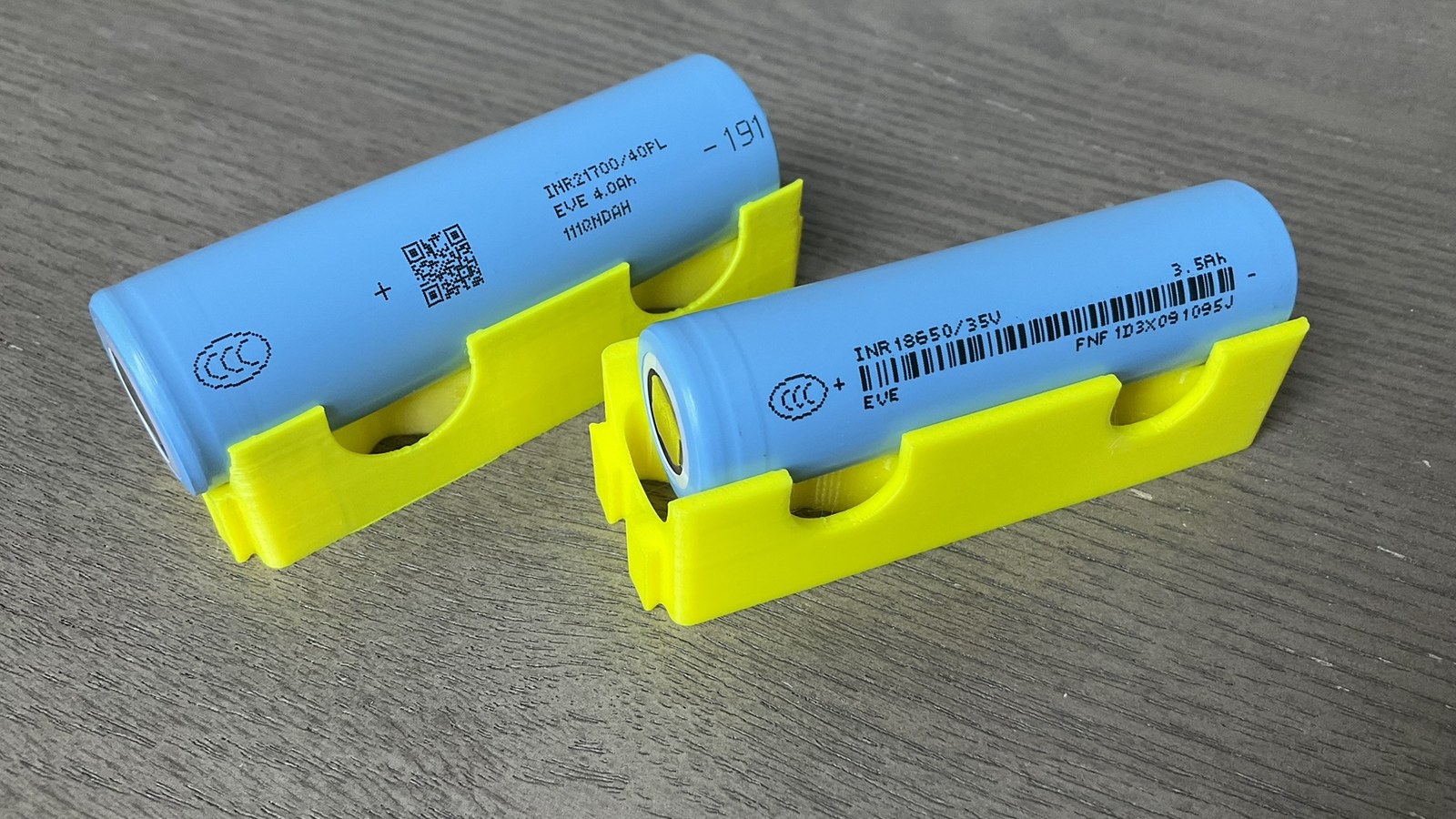
Seoul fire tests: fully charged lithium-ion batteries ignite under pressure

Seoul's fire headquarters crushed 18650 and pouch cells at 30, 50, 70 and 100% charge. Four of five at 100% went into thermal runaway and ignited, cylindrical cells ran away at 70%, and nothing ignited at 50% or 30% in these tests. Shipped batteries usually sit at 80–90% charge, so warehouse and logistics underwriters should ask what state of charge stored stock is held at. Korea is now considering charge limits for storage and distribution. Source: The Korea Times.

Photo: Sevenethics, CC0, via Wikimedia Commons
Power / MarketNov 16, 2026

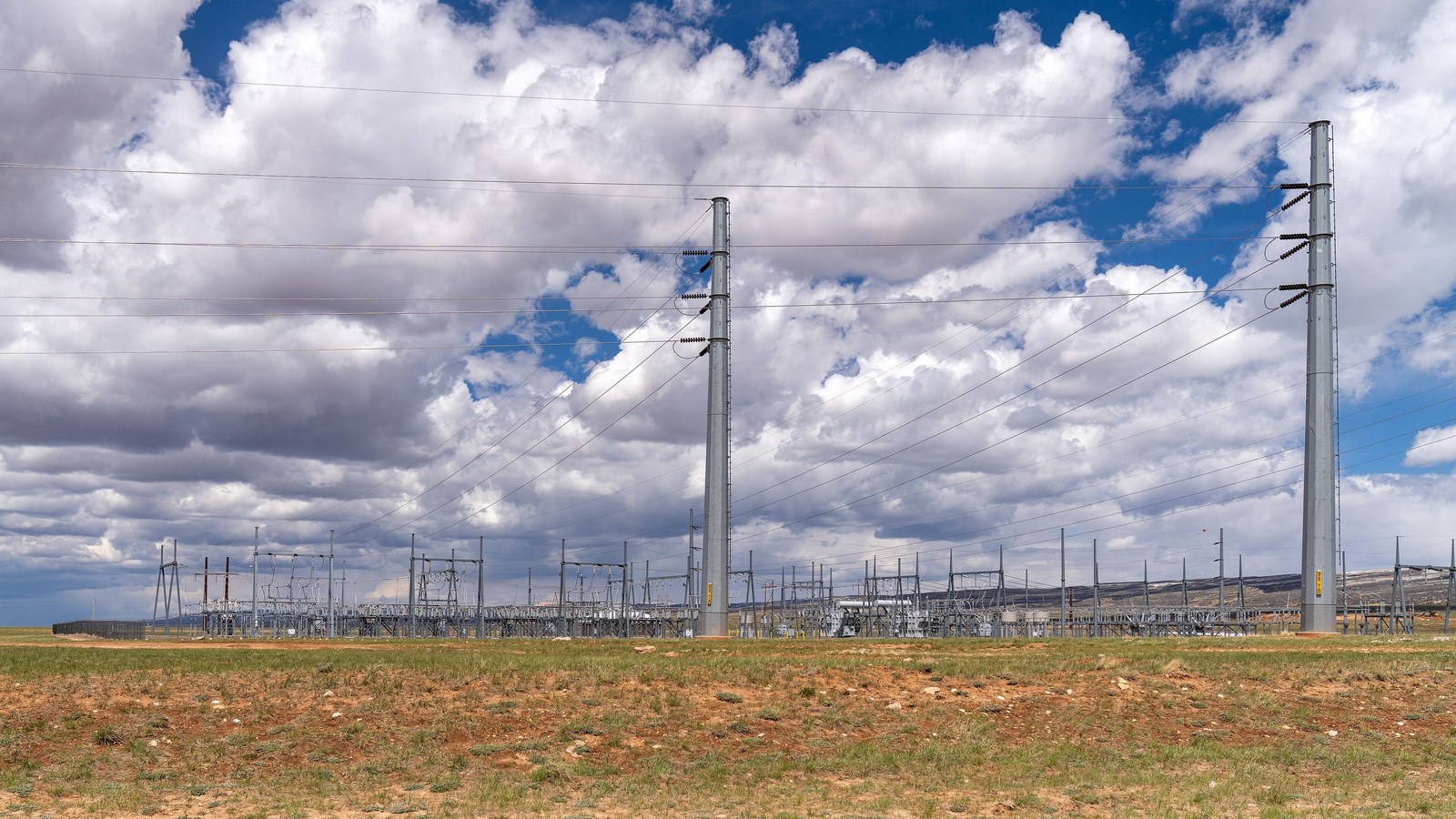
Substation failure in Albany also hits sewage pump stations

An equipment failure at National Grid's New Krumkill substation cut power to about 6,800 customers in Albany and Bethlehem, New York, at about 6:40 a.m. Most were back within hours, but some city sewage pump stations lost power and residents were asked to cut water use. A short outage can still take out critical services, so risk managers for utilities and plants should know which substation feeds them and what backup power covers their pumps. Source: Daily Albany News.

Photo: Tony Webster, CC BY 4.0, via Wikimedia Commons

BESS / StorageNov 14, 2026

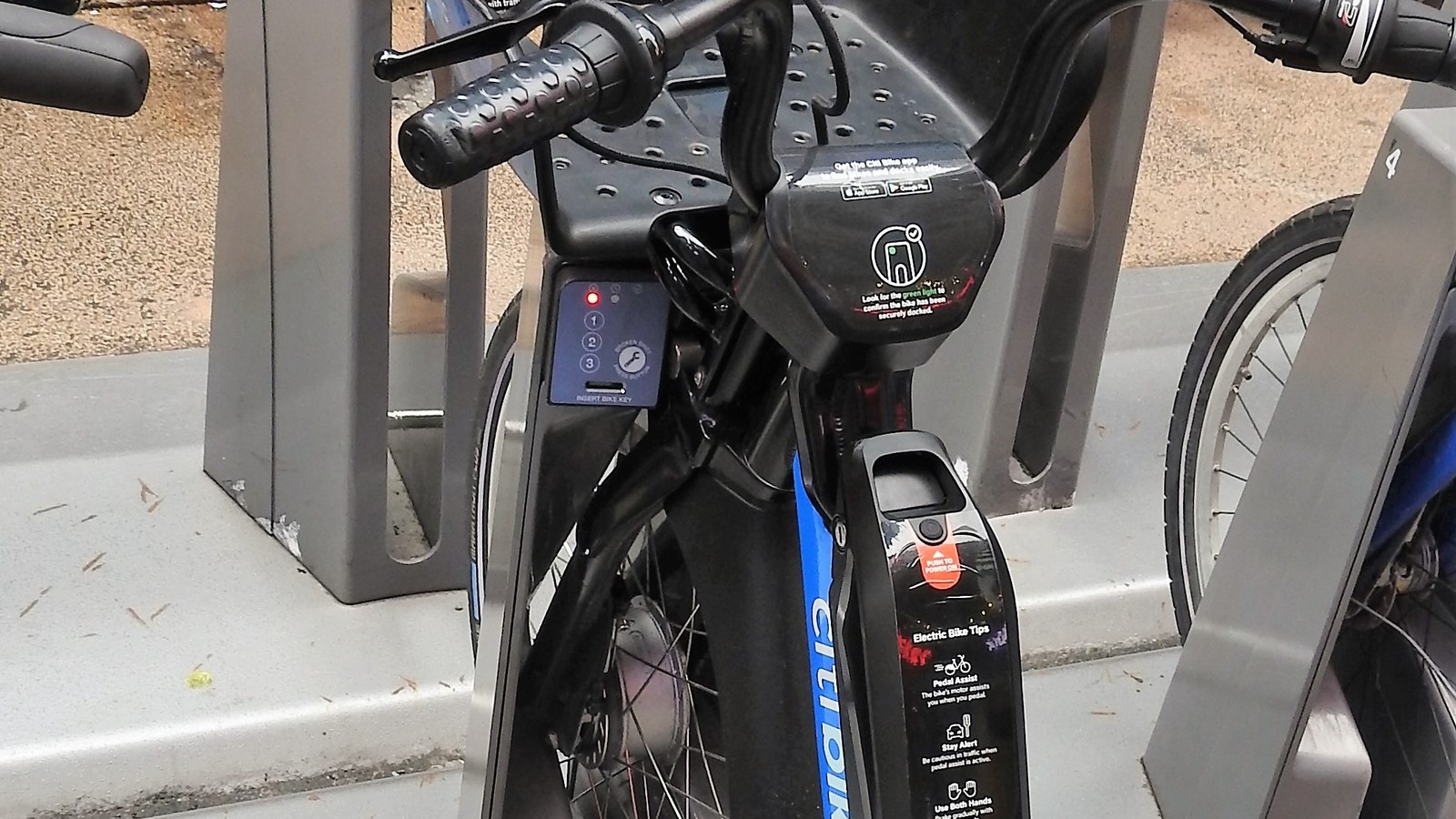
New York's e-bike battery fires: 400+ fires and 12 deaths this year

FDNY figures show more than 400 lithium-ion battery fires, 83 injuries and 12 deaths in New York City so far in 2026, compared with 292 fires and one death in 2025, including a Bronx fire that killed four people when an e-bike was blocking the exit. For habitational and commercial property underwriters and first responders, where batteries get charged and stored has become a basic question, especially if they're in exit paths. Source: The Guardian.

Photo: Jim.henderson, CC BY-SA 4.0, via Wikimedia Commons

All Insights